

Iceland holds a special place in our hearts, because it’s the first foreign country that Luke and I visited together, just as a couple. That trip was the first time we realized we LOVE hot springs, the first time we shared the feeling of discovering cute little pubs and cafes, and the first time we ever collaborated to planned a trip together. It was also the first time we argued while traveling (🤦🏽♀️), the first time we realized our clothes-layering skills were sadly subpar (🥶), and the first time we had to walk well over a mile in thigh-deep snow with our suitcases (😱). It… was an event.
What is it like to visit Iceland in winter?
Cold 😂 Seriously though, winter in Iceland shows that the country has its name for a reason. In the summer, it’s so temperate that it’s impossible not to enjoy the outdoors where, as one of our guides said, “Photoshop comes pre-installed by nature.” On our winter Iceland trip, we still spent plenty of time outside and taking in the scenery, but with about three layers of clothes on. Temperatures probably stayed in the 20s F during the day, with windchills dropping much lower, especially overnight.
If you’re on the coast in Reykjavik, you’ll notice there’s not too much snow accumulation because there’s always a bit of a breeze, and many of the city’s sidewalks are actually geothermally heated, meaning you don’t get the same kind of dangerous, icy buildup you might find in other wintery places. The one thing that isn’t great about that breeziness is that sometimes it scales up really quickly, meaning you can get gale-force gusts for days. In fact, part of our trip got a bit derailed because most of the main roads in Reykjavik and the surrounding areas closed for at least a day and a half due to dangerously high winds.
That said, Iceland’s already Martian-looking landscape takes on a completely different look in the winter, when all the moss and iron-rich soil is perpetually dusted with snow. You get a level of ferocity and rawness that’s truly awe-inspiring in places. Plus, in the winter, all the Icelandic horses get fluffy – you really can’t lose!
Should you stay in a hotel in Reykjavik? A Reykjavik AirBNB? A cabin near Reykjavik?


After a copious amount of shopping around on HomeAway, AirBnB, and various hotel sites, we settled on an AirBnB right on the outer edge of Reykjavík’s main shopping district. We had heard that being right on Laugavegur could be irritating due to late-closing bars and fun-loving drunk travelers, so we figured a few minutes’ walk would be worth the peace.
This was good reasoning, and we have no regrets. Next time, though, I think we’ll stay a little closer to the city center. We’d still recommend staying away from Laugavegur, proper, as many of the downtown clubs don’t close until 4-5am. But staying anywhere near Hallgrímskirkja should be a solid win: very close to food, transportation, and landmarks, and far enough from hollering drunks to get some sleep.
All that said, our one bedroom apartment was lovely, and afforded us a fantastic home base to return to after our long tour days – and a great spot to hole up in when the weather got rough.
Top 3 tours or activities (in winter)


- Horseback riding (Íslenski Hesturinn). Reykjavík may not often get much snow accumulation, but riding through the snow-covered lava fields outside the city on an extremely fluffy Icelandic horse was magic, pure and simple. Our guide, Orsi, was extremely knowledgeable and a ton of fun. We left this tour with an education and a whole slew of amazing memories (and photos).
- Snaefellsnes tour (Goecco). If all of Goecco’s tours are like this one, we’re planning to book with them again when we return. Our guide, Áuđunn, took us off the beaten track, leading us up the side of volcanic craters, along black sand beaches, and overlooking an angry Atlantic Ocean from (roped off!) cliffs hundreds of feet in the air. Book. It. Now. Read more about our experience.
- UPDATE: As of sometime sometime prior to 2019, Goecco is no longer in business. However, we highly recommend that you take a look at other tours of the Snaefellsnes region and all it has to offer.
- Drive the Golden Circle (self-drive). I’m glad we drove this one ourselves, from frigidly gorgeous Gullfoss Falls, to the Secret Lagoon, to farm-made ice cream at Efstidalur, there are tons of man-made and natural wonders to explore. If you’re not in the mood to drive, there are plenty of Golden Circle tours to peruse, so take your pick.
Just note that the weather in Iceland changes on a dime. Case in point, the first half of our week was seamless, smooth, and absolutely stunning. The back half of the week, however, got blown all to hell – LITERALLY. Friday saw all roads out of Reykjavík closed due to dangerously high winds. And Saturday night into Sunday saw the biggest single snowfall in Reykjavík in the last almost 60 years – 21”!! This, on the morning we were supposed to leave. (The resulting ordeal: Part 1, Part 2)
Top 3 places we ate
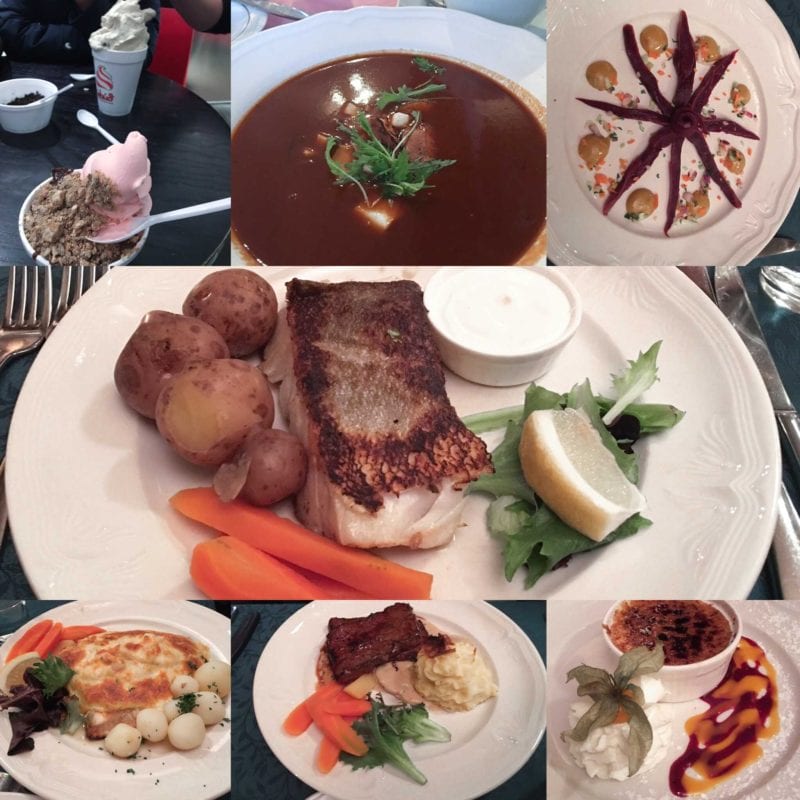


So, when you’re writing a travel blog, you ideally want to eat at as many new places as possible during your stay. However, when you find a really delicious spot, it’s impossible not to want to return another time or two. So, we ended up repeating a few places, simply because they were so damn good.
Also of note: whether at the grocery store or in a restaurant, food is expensive. Like, New York City expensive. Expect to spend an average of between $20-$30 per plate, and maybe $12-$20 per appetizer or dessert when you eat out.
- Svarta Kaffid. Their concept is amazing: two soups each day, held in big copper pots on the bar. One is veggie, the other is some type of meat; both are cream-based. They cycle through over 60 varieties, and their chef is still coming up with new twists on the recipe. It feels like a neighborhood pub, the beer selection is good, and the meals are affordable (by Iceland standards). If you like dark beers, be sure to ask for a Lava!
- Kaffibrenslann. Wherever you travel, a solid breakfast spot is a must. Brenslann serves a fabulous cup of coffee (Luke had his black and didn’t complain, while I loved my flat white), and their sandwiches are pretty damn delicious. Just look for the “This coffee was made for walking” sign.
- 3 Frakkar. After we expressed interest in traditional food, our coolest-of-the-cool tour guide, Áuđunn, made reservations here for our small tour group on the way back from Snaefellsnes. Located in what used to be a house, the atmosphere is cozy and (you guessed it) homey, and the food was amazing. Definitely give the grilled cod fillet a try, and perhaps puffin breast
or peppercorn whale steak,if you’re feeling adventurous. And for dessert, try the skyr brûlée. Your stomach will thank you.- UPDATE: Since first traveling here in 2016 and experiencing what we thought was simply a “unique” part of Icelandic culinary heritage and culture, we’ve become aware of the exceptionally cruel methods used to hunt whales for human consumption, as well as the deservedly controversial state of the whale meat market in Iceland and abroad. Immersing yourself in a culture can be difficult, especially when norms, practices, and tolerances can vary so wildly across borders and continents. Everyone is free to make their own choices and figure out how or when they’re willing to push out of their comfort zone. But while we did both try whale steaks at this restaurant, our position now is that will be the first and last time that we’ll knowingly support the whaling industry, and we vehemently encourage the abolition of this outdated and unnecessary practice in its entirety.
Top 3 experiences to have


- Scale a volcanic crater. One of our first stops during our Snaefellsnes tour was an inactive volcanic crater. It doesn’t sound exciting, but try driving up a volcano, or through lava fields. It will feel like you’ve entered an entirely different world – one that’s mossy, and colorful, and frigid, and super photogenic – and you won’t want to leave.
- Climb Skógafoss. As you head southeast from Reykjavík, there are even more of Iceland’s famous waterfalls to admire. Perhaps the most stunning of them is Skógafoss, but be prepared to work for your scenery. The hike up to the “summit” isn’t for the faint of heart or fearful of heights, but the rewards are well worth the time and (even when it’s freezing out) sweat.
- Enjoy a geothermal spring. If you want to get a serious sense of Icelandic culture, don’t just go to the Blue Lagoon. Definitely stop there, but also try the Secret Lagoon, and a couple of neighborhood pools. Heated pool culture is a huge deal in Iceland, and hitting up a local pool is a great way to get up close and personal with real Icelanders – rather than just seeing them from a distance while you’re on a tour.
Enjoyed this story? Pin it for later!

 Things to know on your first snorkeling trip


